



Supporting our partners means helping them move from product selection to a battery system they can use with confidence. At AuroraCell, practical testing is part of that support. We built a test setup at our factory to evaluate our sodium-ion batteries together with inverters and to investigate how different system configurations perform in operation.
For installers, distributors and system integrators, this work provides measured results and practical insights to support integration decisions. It also helps us answer the questions that matter in a real installation: how much energy is delivered, how the battery behaves under load and how its temperature develops during charging and discharging.
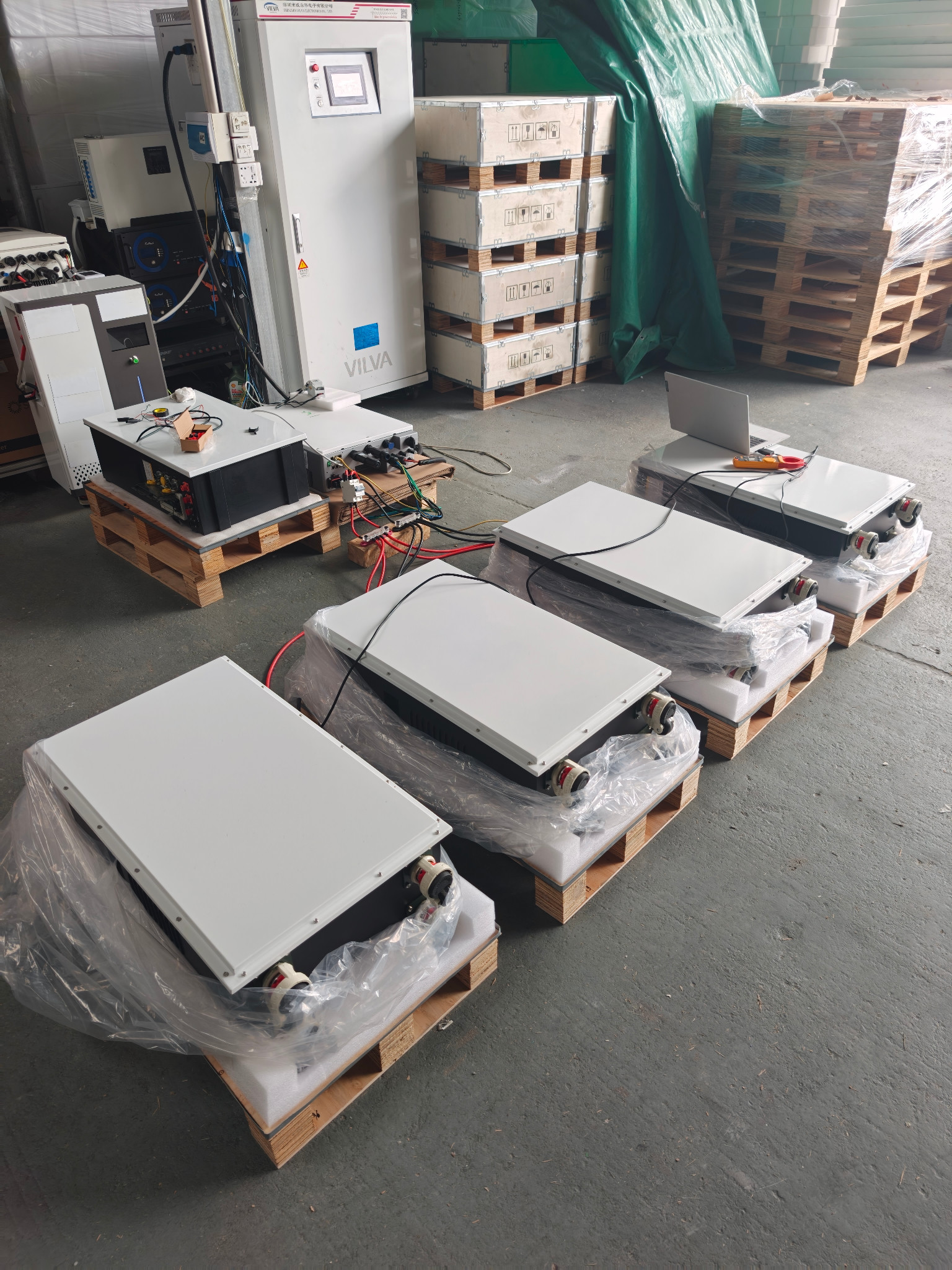
Testing the battery and inverter together
In our latest recorded tests, we paired the UGESS 48V200Ah sodium-ion residential battery with a Sinexcel D12K-TL inverter. The battery has a rated energy of 9.28 kWh, approximately 9.3 kWh, at 46.4 V and 200 Ah.
The recorded runs showed:
- 8.8 kWh of DC energy delivered during discharge from 100% to 5% indicated state of charge.
- 8.9 kWh of DC charging input in a separate charging run from 5% to 99% indicated state of charge.
- All recorded cell-temperature channels remained below 50°C, with a peak channel reading of 49.8°C. Site air temperature was approximately 32–33°C.
Discharge power was approximately 3.1 kW over 2 hours and 50 minutes. Charging was approximately 2.5 kW before tapering toward the end of the run.

Understanding the 5% reserve
The inverter’s configured 5% state-of-charge reserve remained in place during the discharge test for this grid-connected setup. Approximately 0.4 kWh was estimated to remain in the battery; this reserve energy was not discharged or measured as delivered energy in the test.
The charging and discharging results come from separate runs with different state-of-charge endpoints. They describe the measured DC energy in each run and should not be interpreted as a round-trip efficiency measurement.
Practical support for our partners
Our factory setup also enables ongoing evaluation of parallel battery connections and charge and discharge behaviour across different battery and inverter configurations. The photograph shows this broader testing setup; the measured results above relate specifically to the recorded UGESS and Sinexcel test runs.
By combining products with hands-on testing, we help our partners understand system behaviour and make better-informed integration decisions. Our testing continues as we expand our experience with different configurations and inverter combinations.
Planning a sodium-ion storage project? Contact our team to discuss your battery and inverter setup, or explore our residential energy storage system.
