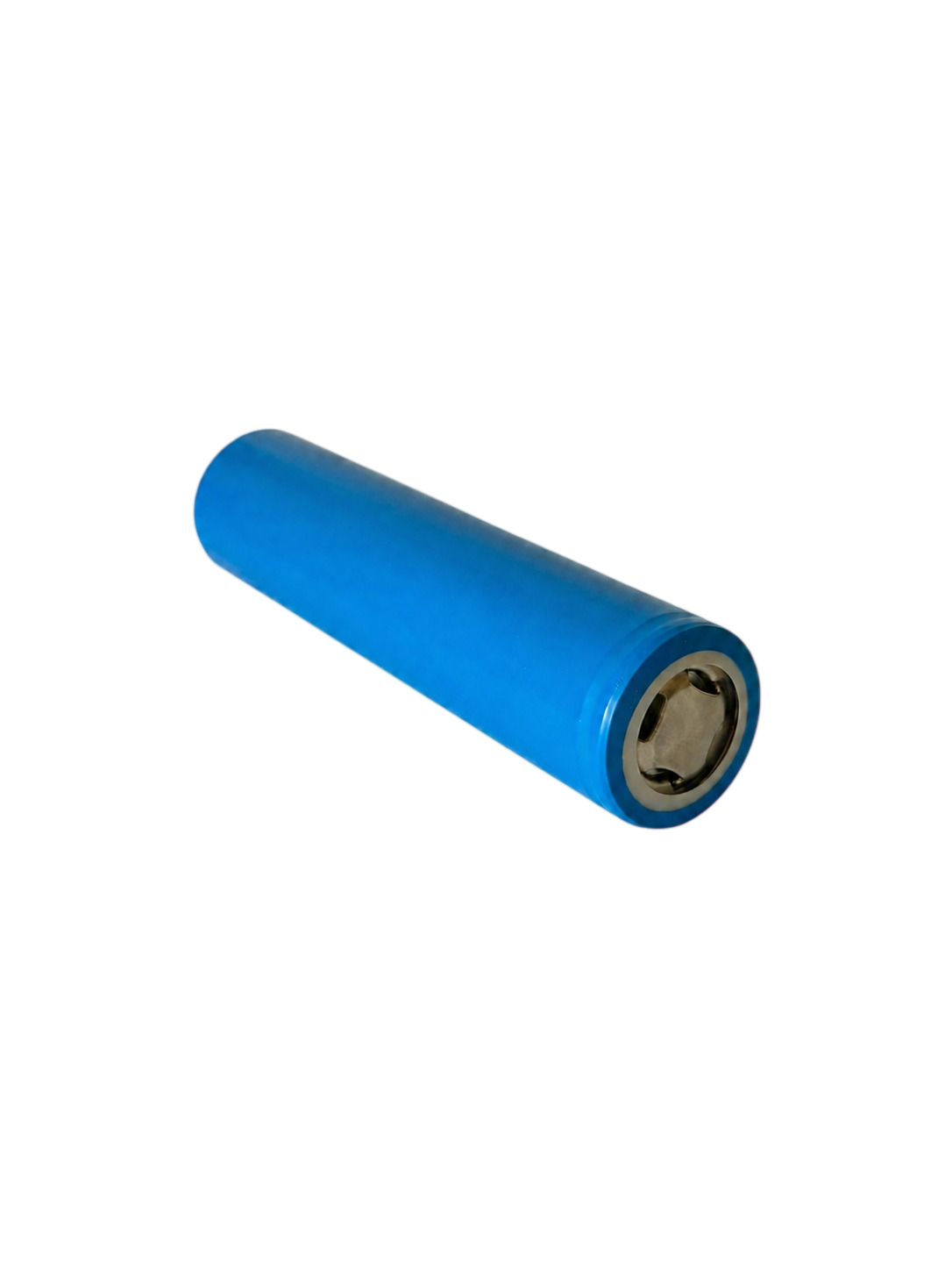
The 3270 sodium-ion cylindrical cell is designed for battery developers, OEMs and system integrators that need high power output, stable performance and reliable system integration. With a nominal capacity of 4000 mAh and nominal energy of 11.6 Wh, the cell supports applications where compact design and rapid current delivery are important.
A key feature of the 3270 sodium-ion cylindrical cell is its 30C pulse discharge capability. This makes it suitable for systems that require short bursts of high current, dynamic load profiles or fast power response. Typical applications include starter modules, industrial equipment, robotics, backup power systems, motorsport platforms and other high-power battery designs.
The cell uses NaCrO₂ sodium chromium oxide chemistry, which supports stable operation, high efficiency and safety-focused battery architecture. This chemistry makes the 3270 suitable for applications where thermal behaviour, reliability and system-level safety matter. For teams evaluating sodium-ion technology as an alternative to lithium-based systems, the 3270 offers a practical cell format for testing, prototyping and pack development.
The 3270 sodium-ion cylindrical cell delivers round-trip efficiency above 96%. Higher efficiency helps reduce energy losses during charge and discharge cycles. It can also support lower heat generation and improved system durability when the cell operates within the correct voltage, current and temperature profile.
Low-temperature performance is another important advantage. The 3270 retains more than 90% capacity at -40°C, which makes it relevant for cold-climate systems, outdoor robotics, emergency backup equipment, vehicle starter modules and industrial applications exposed to low temperatures. In suitable designs, this performance can reduce the need for additional thermal management.
From a logistics perspective, the cell supports 0V zero-voltage shipping. This helps simplify transportation, storage and inventory planning for manufacturers, distributors and project teams. It also gives customers more flexibility when managing international supply chains and long-term stock.
The cylindrical format supports standard battery manufacturing processes, including spot welding. This allows the 3270 to integrate into existing battery pack production workflows without major process changes. Battery developers can use familiar assembly methods during prototype development, testing and production planning.
The 3270 sodium-ion cylindrical cell is certified according to UN38.3 and CE requirements. AuroraCell also supports European customers with local EU stock availability and standard delivery options, subject to stock and project requirements. This helps reduce sourcing delays for teams that need sodium-ion cells for evaluation or active development projects.
The 3270 is suitable for high-power applications such as light electric mobility, utility vehicles, robotics, industrial tools, starter systems, emergency backup, portable power systems and modular battery packs. For engineers looking for a compact high-power sodium-ion battery cell, the 3270 sodium-ion cylindrical cell offers a reliable option for testing, integration and project-specific battery development.