CE
Declaration of conformity
AuroraCell RESS combines sodium-ion NCO chemistry, an integrated BMS and factory heating in a compact, floor-standing system for residential solar storage and backup power.
30.000 cycles at 25°C and 100% DoD.
25+ years design life.
50 A charging from -20 to 60°C and 100 A continuous discharge from -40 to 60°C.
Factory heating is controlled by the BMS. Charging is permitted only when enabled by the BMS. Pulse discharge: 200 A for a maximum of 1 minute.

A modern home battery should not force a comparison between safety, lifetime, and compatibility.
30.000 cycles at 25°C and 100% depth of discharge under the specified operating conditions.
A chemistry designed for stationary energy storage with safety, durability and long-term operation at its core.
Use the full specified battery capacity instead of keeping a large reserve unused.
Across the full specified temperature ranges. 200 A pulse discharge is limited to 1 minute maximum.
See how sodium-ion technology behaves under demanding safety conditions.
Our safety testing demonstrates the thermal behaviour of the cells used in the AuroraCell energy-storage platform — giving installers, partners and homeowners more transparency about the technology behind the system.
30.000 cycles at 25°C and 100% depth of discharge under specified operating conditions.
Built around sodium-ion chemistry for residential applications where thermal behaviour, reliability and system-level safety matter.
Designed for 48 V-class hybrid inverter platforms. Communication and operating settings must be commissioned for the selected inverter.
10-year limited product warranty. A 25+ year design life is not an additional warranty; full signed warranty terms apply.
50 A charging from -20 to 60°C, permitted only when enabled by the BMS. 100 A continuous discharge from -40 to 60°C.
Connect up to 15 packs in parallel. The first pack coordinates the connected packs.
For a simple and optimized installation, AuroraCell offers a matched 12 kW three-phase low-voltage hybrid inverter.
The inverter supports sodium-ion batteries and operates across a 30–60 V battery voltage range, matching the requirements of a low-voltage sodium-ion energy-storage system.
The combination of AuroraCell RESS and the matched 12 kW inverter allows the system to operate across the battery’s intended voltage range and access up to 100% Depth of Discharge.
One battery. One inverter. One coordinated solution.
Battery + inverter · recorded test results
Our 9.3 kWh sodium-ion RESS was tested with the Sinexcel D12K-TL hybrid inverter. Practical charge and discharge testing makes the performance visible: energy delivered, voltage under load and cell temperatures throughout each run.
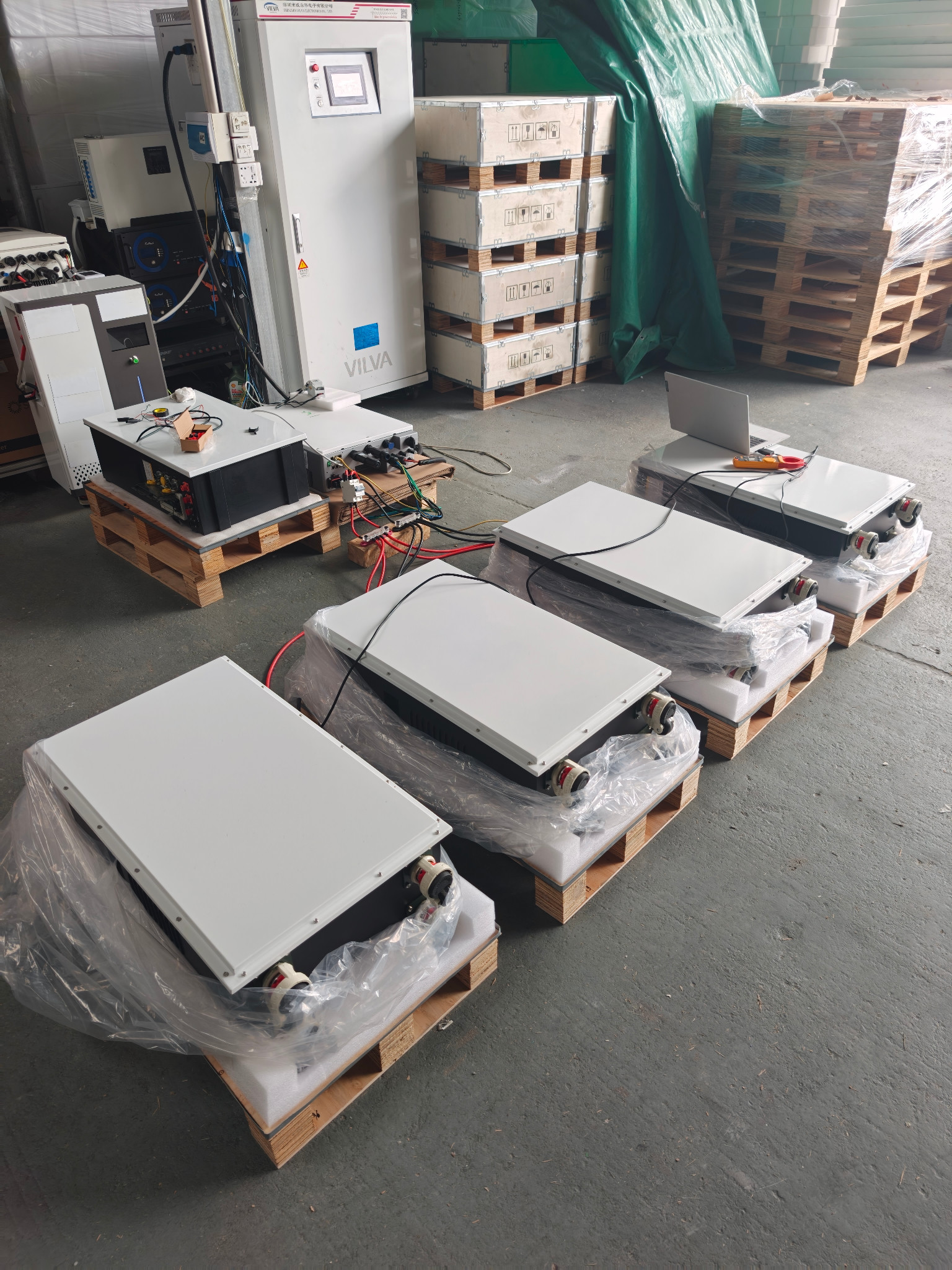

Configured for grid-connected operation: the test retained a 5% SOC reserve, with approximately 0.4 kWh estimated to remain. The figures above are measured DC-side results from separate runs; the reserve was not discharged. The recorded test window sits within the battery’s specified 32.0–54.4 V operating range. Available energy depends on inverter settings and operating conditions.
Explore our testing and integration support →Charging is enabled by the BMS after heating as required. For sheltered outdoor use, protect the IP55 enclosure from direct rain, snow, standing water and high-pressure water jets. Inverter communication and operating settings must be commissioned for the selected inverter.
The limited performance warranty applies to normal residential daily cycling within the BMS-defined operating window. It is not a fixed retained-capacity, usable-energy or AC-output guarantee. Full signed warranty terms apply; the 25+ year design life is not an additional warranty.
Safety, transport and conformity at a glance. We provide the relevant test reports, declarations and safety documents for your RESS configuration.
Declaration of conformity
Electromagnetic compatibility
Safety test
Safety test
Transport safety test
Safety data sheet
EU Battery Regulation – conformity declared
Pending: UL9540 and UL1973.
Compatible with leading 48 VDC hybrid inverter platforms, subject to commissioning and approved operating settings.
Victron, Deye, Solis, Growatt, Schneider Electric, SMA, Sungrow, SOFAR, Studer and Ingeteam. Additional brands may be available on request.
View the complete brochure
Designed for low-voltage residential system architecture.
Positioned for compatibility with 48V/<60V hybrid inverter platforms.
Communication interfaces support modern residential energy system integration.
Strong fit for installers, integrators, and early adopters seeking a differentiated home battery and residential energy storage offering.
AuroraCell RESS is now available in Europe. Contact our team to place your order and confirm delivery timing.
Yes. Our matched 12 kW three-phase low-voltage hybrid inverter accepts 30–60 V, encompassing the RESS battery’s 32.0–54.4 V operating range. Commissioning must retain the battery’s BMS limits and configure compatible communication, charge/discharge currents and cut-offs; the inverter’s 30 V input capability does not permit discharging the battery below 32.0 V. Other 48 V-class inverters can be used only when their exact model, firmware, voltage range, communication and settings are compatible. A higher minimum discharge voltage reduces accessible energy. The 12 kW rating is the inverter’s rating, not the continuous output of a single RESS pack; battery-only power depends on pack count, voltage and BMS/current limits.
Our current EU system is specified at 200 Ah and 46.4 V nominal: 200 Ah × 46.4 V = 9.28 kWh, rounded to 9.3 kWh. The 9.7 kWh figure in early October 7–8 launch coverage came from the gross nominal cell calculation of 210 Ah × 46.4 V = 9.744 kWh. Use the current 200 Ah system rating when specifying an installation. Up to 100% depth of discharge is available within the 32.0–54.4 V BMS operating window with a compatible, correctly configured inverter; a higher inverter cut-off reduces accessible energy. Neither nominal rating guarantees AC energy delivered to the home, which also depends on operating conditions and conversion losses.
Our current cycle-life projection is 30,000 cycles at 25°C and 100% depth of discharge under specified conditions. Early October 7–8 launch reports cited 20,000 cycles; the current projection reflects updated cell-level test data and lifetime modelling. It is not a completed 30,000-cycle test of the full residential battery system or a warranty duration. Actual lifetime depends on temperature, current, operating window and application profile. Our 25+ year design life is separate from the limited warranty; full signed terms apply.
Cycle life: 30,000 at 25°C and 100% DoD under specified conditions. Actual lifetime and delivered energy depend on temperature, current, inverter settings and application profile. Full signed warranty terms apply.
Coverage of our Polish stock availability and the cell-test basis for our projected battery lifetime.
An overview of our home battery, explaining energy ratings, projected cycle life and inverter compatibility.
Launch coverage introducing our sodium-ion NCO residential battery and its applications.
A look at our residential sodium-ion battery and the role of sodium chemistry in home storage.
Some launch reports retain earlier 9.7 kWh / 20,000-cycle figures. Our current EU system is rated 9.3 kWh (200 Ah), with 30,000 projected cycles under specified conditions; see the specifications and FAQ above.
Related